
Palm oil is one of the most debated ingredients in the natural beauty and soap-making world. On one hand, it produces a hard, long-lasting bar with a rich, stable lather. On the other, concerns about deforestation and biodiversity loss have led many consumers to call for an outright boycott. But is avoiding palm oil entirely the right answer?
At Château du Savon, we take sustainability seriously — it's central to everything we do, from our zero-waste packaging to our carefully sourced ingredients. That's why we think it's worth looking at the full picture rather than reacting to headlines alone.
The Case Against Palm Oil
The environmental concerns are real. Large-scale palm oil production has been linked to the destruction of rainforests, particularly in Southeast Asia, threatening habitats for orangutans, tigers, and countless other species. It's a genuinely serious issue that deserves attention.
The Case For Sustainable Palm
However, a blanket boycott may not be the most effective solution. Palm oil is extraordinarily productive — it yields far more oil per hectare than alternatives like coconut, sunflower, or rapeseed oil. Switching to these alternatives could actually require more land, not less, potentially causing greater environmental harm overall.
The IUCN (International Union for Conservation of Nature) has noted that simply saying no to palm oil is likely to displace, rather than halt, biodiversity loss. The focus, many experts argue, should be on certified sustainable palm oil and better industry regulation.
Our Position
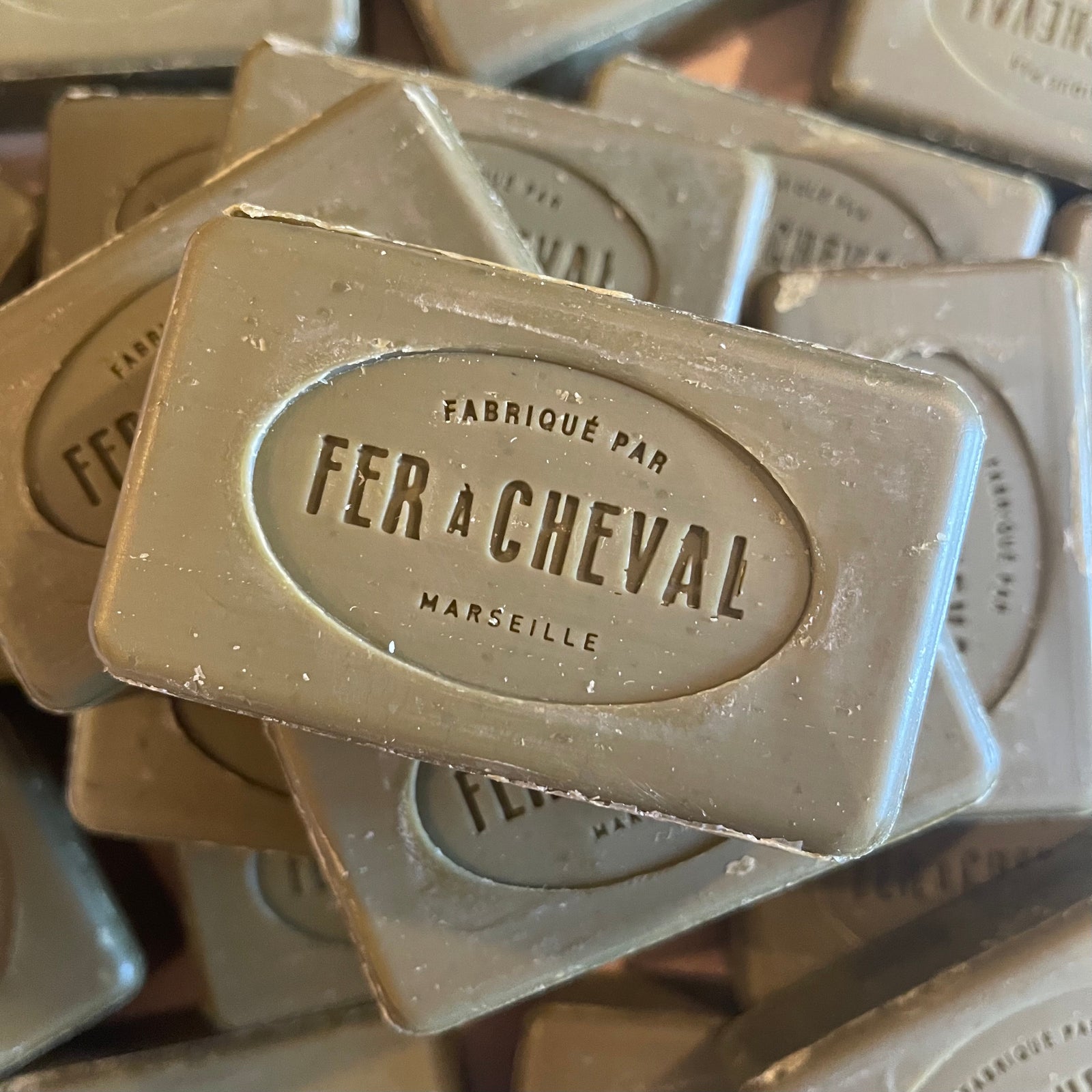
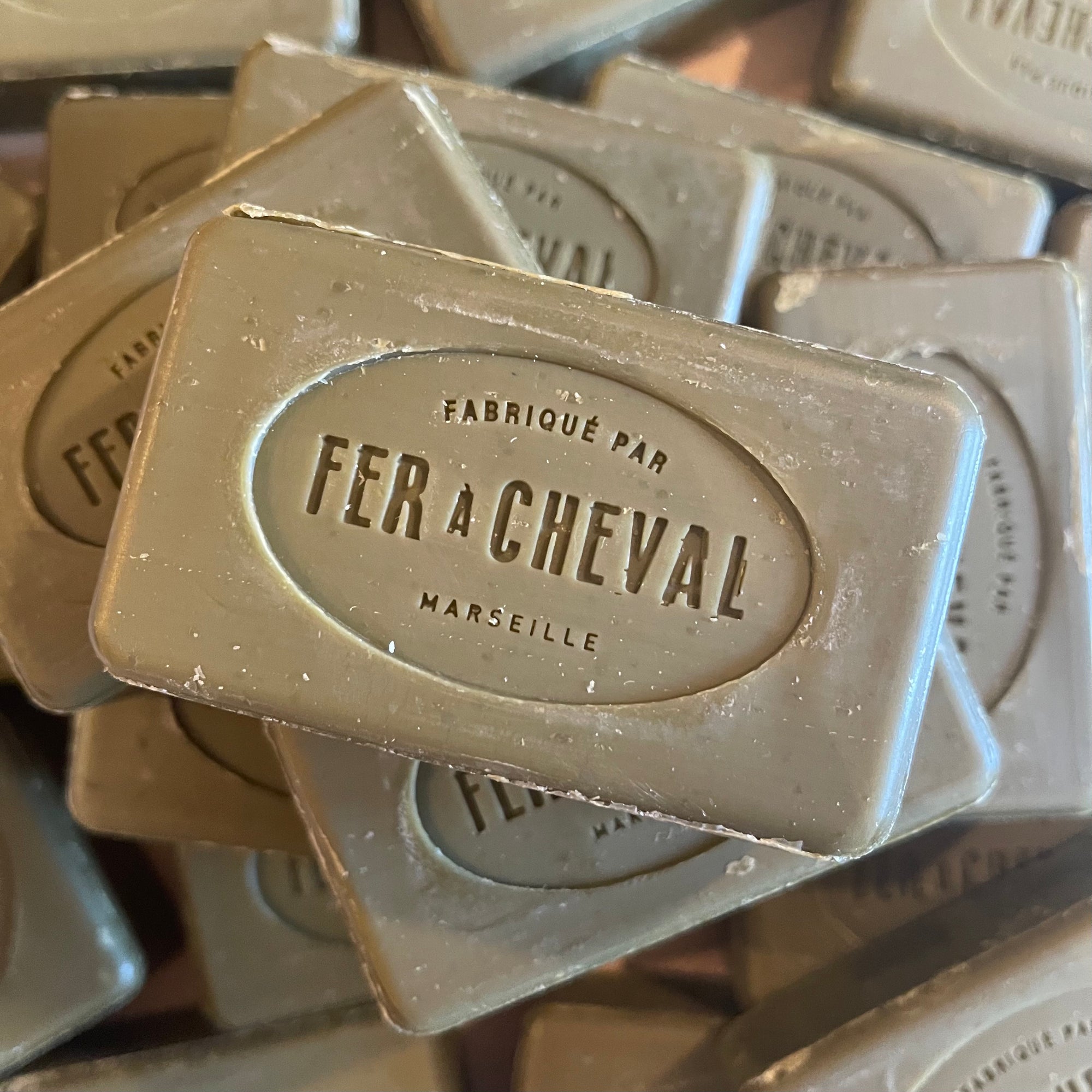
We believe in transparency and informed choice. Many of our French soaps — including our traditional Savon de Marseille range — are formulated with olive oil or RSPO certificated as the primary base, naturally minimising pure palm oil content. Where palm derivatives are used, we seek suppliers committed to responsible sourcing.
For further reading on this nuanced topic, we recommend these thoughtful perspectives:


