
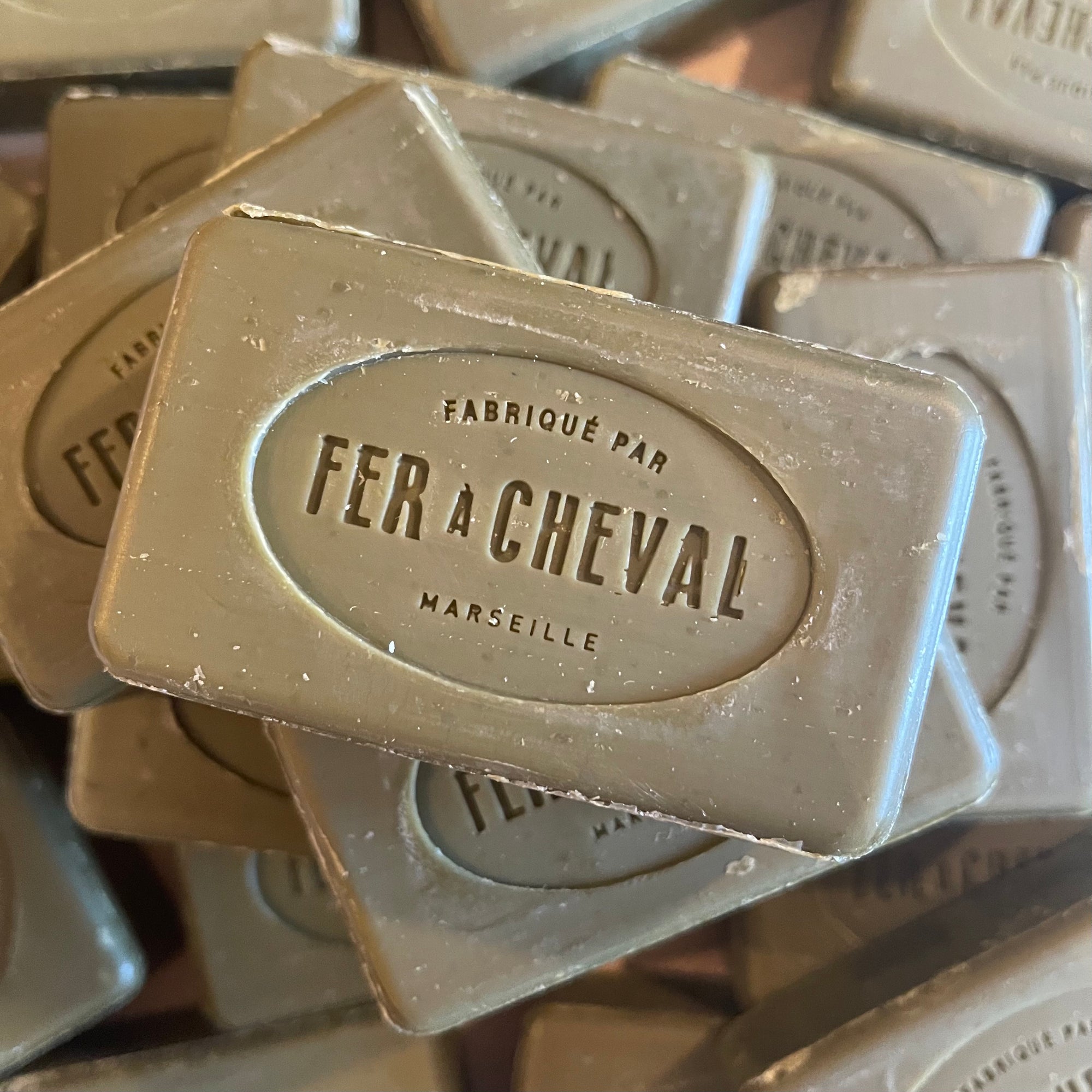
In an age of hand sanitisers, antibacterial gels, and UV sterilisers, it might seem like plain old soap has had its moment. But the science — and the ritual — of washing your hands with a proper bar of soap remains one of the most effective, elegant, and underrated habits you can maintain in 2026.
The Science Hasn't Changed
Soap works by a beautifully simple mechanism: its molecules have one end that attracts water and another that attracts oils and fats. When you lather up, soap physically lifts dirt, bacteria, and viruses — including many respiratory and gastrointestinal pathogens — from the surface of your skin and rinses them away. No resistance, no residue, no compromise.
Alcohol-based sanitisers are effective in a pinch, but they don't remove physical dirt, they can dry out skin with repeated use, and they're simply no match for a thorough, 20-second wash with soap and water when a sink is available.
Your First Line of Defence Against Viruses
Hand washing with soap is one of the most consistently effective measures for reducing the spread of viral illness — from seasonal influenza and norovirus to respiratory viruses that circulate year-round. The mechanism is direct: many viruses, including enveloped viruses like influenza and coronaviruses, are surrounded by a lipid (fatty) membrane. Soap disrupts and destroys this membrane on contact, rendering the virus inactive before it ever reaches your eyes, nose, or mouth.
The World Health Organization and public health bodies worldwide continue to cite proper hand washing as a cornerstone of infection prevention — not because it is a stopgap, but because it genuinely works. Studies have shown that regular hand washing can reduce the risk of respiratory infections by up to 21% and gastrointestinal illness by up to 40%.
The key word, however, is proper. Duration matters: a minimum of 20 seconds of lathering is required to dislodge and deactivate pathogens effectively. Technique matters: palms, backs of hands, between fingers, and under nails all need attention. And the soap itself matters — a rich, well-lathering bar encourages thoroughness in a way that a thin, drying detergent bar simply does not.
Not All Soaps Are Equal
The quality of your soap matters more than most people realise. Mass-produced detergent bars — often labelled as "soap" — strip the skin of its natural oils, leaving hands dry, tight, and irritated over time. Cracked or compromised skin, ironically, provides easier entry points for pathogens. Genuine cold-process or artisan soaps, by contrast, retain their natural glycerin, which draws moisture to the skin and leaves it feeling soft and nourished after every wash — making it far easier to maintain the habit consistently.
At Chateau du Savon, our soaps are crafted using traditional French methods, with carefully selected botanical ingredients and, in our signature range, the extraordinary properties of donkey milk — rich in vitamins A, B, C, D, and E, and renowned for its gentle, skin-replenishing qualities. Washing your hands becomes less of a chore and more of a small, restorative ritual.
The Ritual Matters
There is something grounding about the act of washing your hands properly. The warm water, the lather, the scent of a well-made soap — it punctuates the day in a way that a quick squirt of gel simply cannot. Behavioural research consistently shows that people wash more thoroughly and more frequently when they enjoy the products they use. A beautiful soap at the basin is not an indulgence; it is an investment in a habit worth keeping.
Good for You, Kinder to the Planet
Artisan soap bars also carry a significantly lower environmental footprint than liquid soaps or sanitiser bottles. No plastic pump, no preservative-heavy formula, no excess water content being shipped around the world. A concentrated, minimal-packaging bar of soap is one of the simplest swaps you can make for a more sustainable bathroom.
The Takeaway
Hand washing with soap is not a relic of the past — it is a timeless, evidence-backed practice that protects your health, guards against the spread of viruses, respects your skin, and, when done with the right soap, becomes a moment of quiet pleasure in an otherwise busy day. In 2026, that feels more valuable than ever.
Explore our collection of handcrafted French soaps — made to be used, and made to be loved.


