
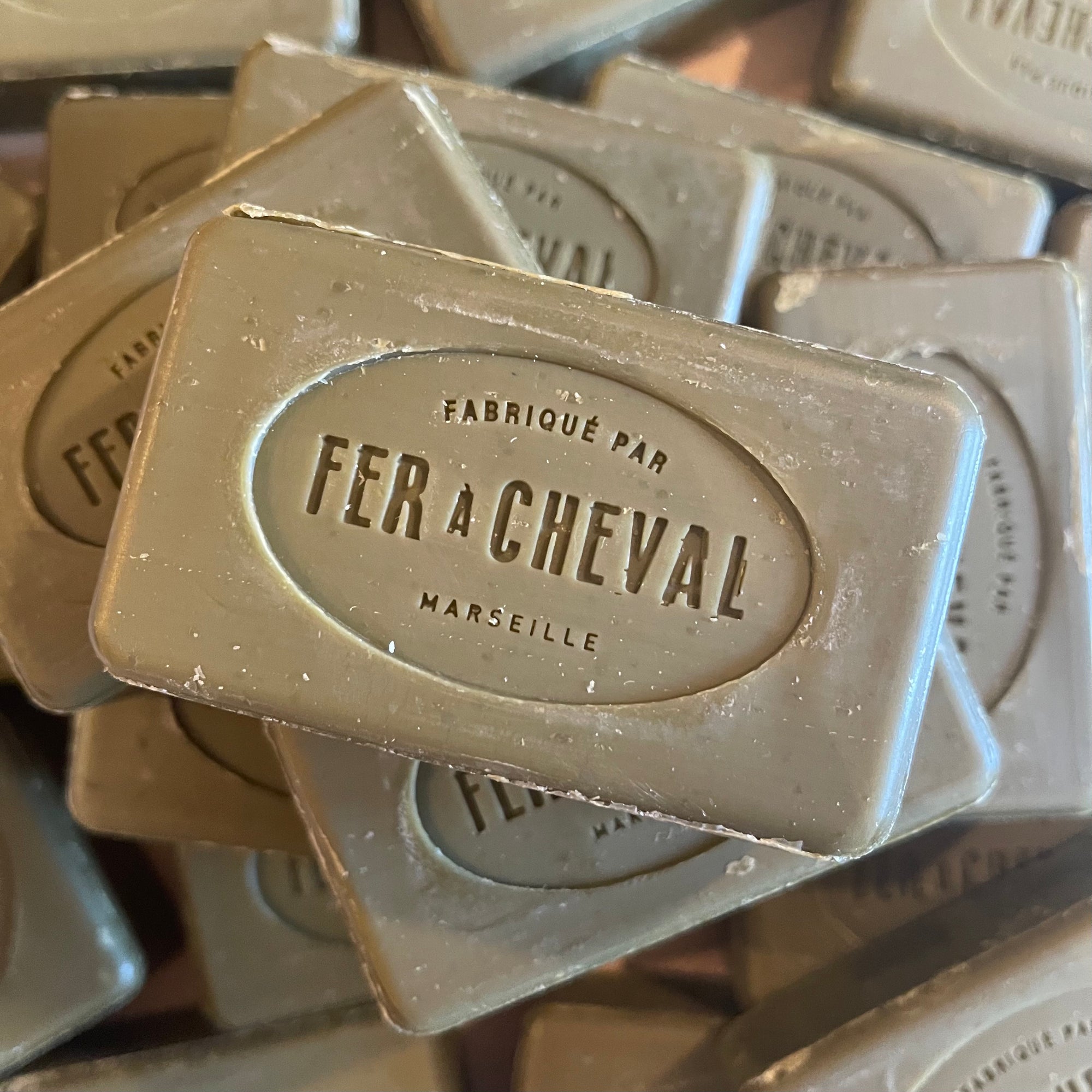
The Origins of Aleppo Soap
Aleppo soap is legendary for its natural, nurturing qualities. The precise origins of this remarkable soap are not fully known, but it is generally agreed that it originated in Aleppo — the main city of the Levant region in Syria. The art of soap-making on a wide scale is thought to have begun in this region around the seventh or eighth century.
Yet Aleppo soap may have been popular long before this. The Romans used soap in the first century AD, if not earlier. There are even rumours that both Queen Zenobia of Syria and Cleopatra may have used it as part of their beauty rituals.
How Aleppo Soap is Made
The ingredients in Aleppo soap are beautifully simple — olive oil, bay laurel oil, natural soda, and water. Its creation has relied for centuries on the hands-on expertise of local craftsmen, with knowledge of the process passed down through generations of apprentice soap-makers.
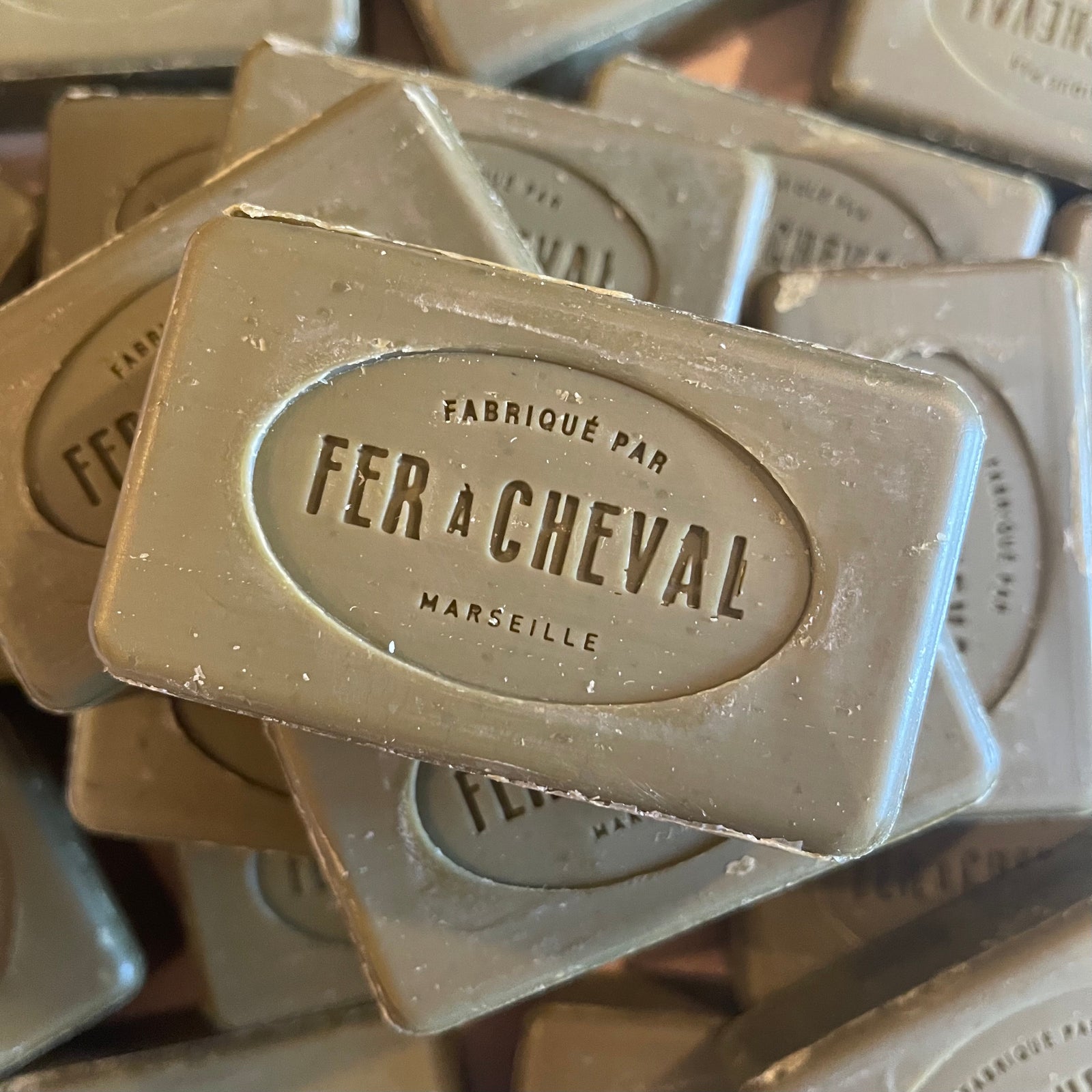
It’s a slow, careful process. The soap is hand-cut and then dried for at least nine months, protected from direct sunlight throughout. This extended drying period is critical to the soap’s quality and determines its distinctive appearance — light brown on the outside, deep green within.
Why Is Aleppo Soap So Special?
Antiseptic, soothing, emollient, moisturising, and hypoallergenic — true Aleppo soap is made with 100% natural ingredients and contains no artificial preservatives, colourings, or synthetic additives. It’s suitable for all skin types, including babies and those with sensitive or reactive skin.
Beware of counterfeits: genuine Aleppo soap floats in water, has a characteristic green interior, and carries a traditional stamp. Imitations are often palm oil-based, less concentrated in laurel oil, and more uniform in colour.
5 Key Skincare Uses of Aleppo Soap
1. Deep Moisturisation
The primary property of Aleppo soap is to deeply moisturise the skin. Recommended by dermatologists, its natural composition makes it suitable for all skin types — whether healthy, dry, or problematic.
2. Relief for Psoriasis, Eczema & Acne
Aleppo soap can help relieve itching and irritation associated with psoriasis, eczema, and acne. The combination of olive oil and bay laurel oil helps the skin regain suppleness and softness, giving it a healthier, more youthful appearance.
3. Anti-Dandruff Shampoo
Used as a solid shampoo, Aleppo soap helps moisturise the scalp and limit flaking — making it a natural, effective alternative to conventional anti-dandruff products.
4. Facial Mask
Applied to the face and left to dry briefly, Aleppo soap makes an excellent mask to minimise imperfections and rejuvenate tired complexions.
5. Shaving Bar
Aleppo soap produces a rich, lubricating lather that facilitates razor glide and soothes skin subjected to razor burn — making it a superb natural shaving bar for face and body.
Shop Our Aleppo Soap Range
At Château du Savon, we stock only authentic Aleppo soap from trusted Syrian producers. Explore our range:
- Aleppo Soap Bar with Bay Laurel Oil 180g — our classic, versatile bar
- Aleppo Soap Bar with 55% Bay Laurel Oil 180g — higher laurel content for intensive skin conditions
- Donkey Milk & Olive Oil Enriched Aleppo Soap Bar 125g — extra nourishment for dry and sensitive skin
- Dead Sea Mud & Enriched Aleppo Soap Bar 125g — deep detox and mineral-rich cleansing
Credits: Research inspired by Olive & Bay Co., Oh My Mag, and Wikipedia.


